The main goal is simple: tailored solutions that improve daily life. That goal is supported by research.
Custom Wheelchairs: Enhancing Mobility, Comfort, and Quality of Life
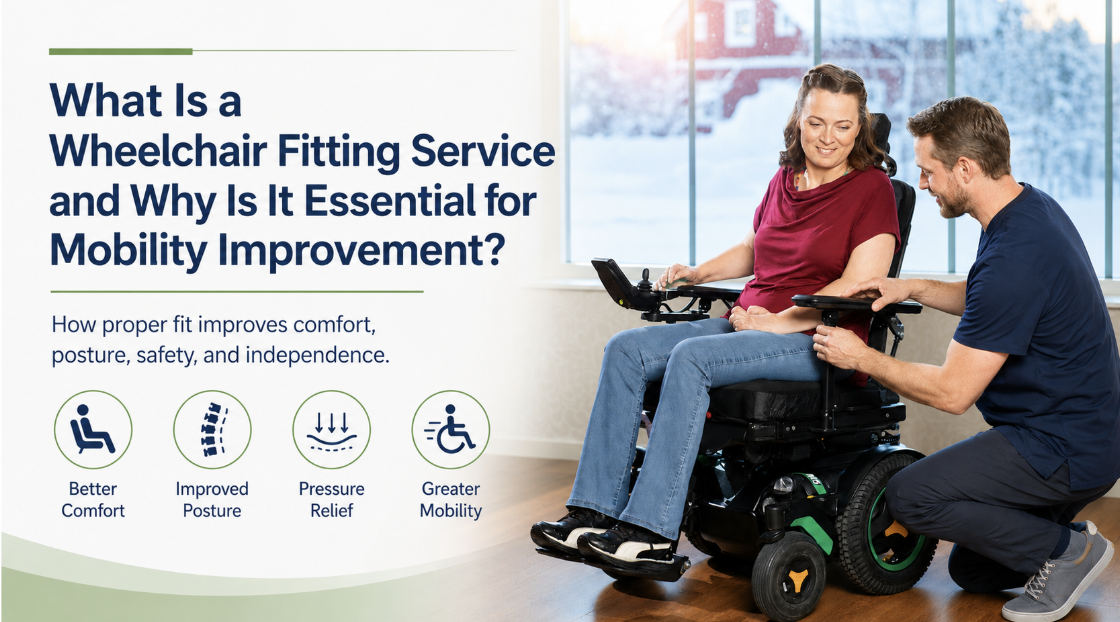
Custom wheelchairs, tailored to each user, can improve mobility, comfort, and overall quality of life. Proper fit matters whether a wheelchair is used short-term or long-term.
Customization of manual wheelchair components: a state-of-the-art review, S More, 2025
What Does the Wheelchair Fitting Process Involve?
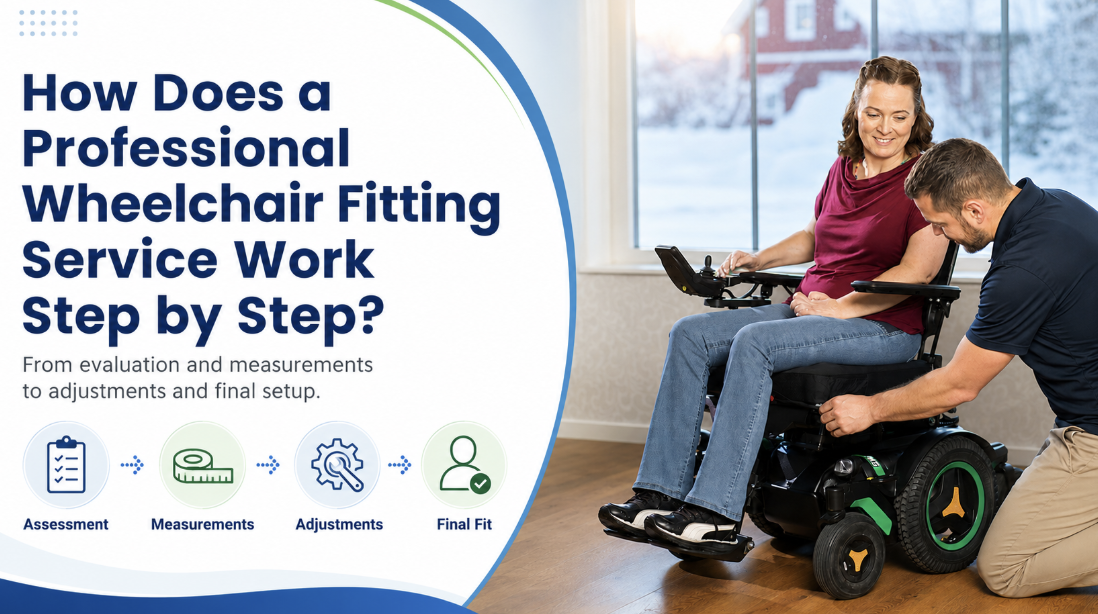
The fitting process is a step-by-step assessment to match a wheelchair to a user's needs. It usually includes a clinical interview, a physical assessment, and an environmental review. These steps help ensure the chair offers the right support and comfort.
How Is Custom Wheelchair Fitting Conducted?
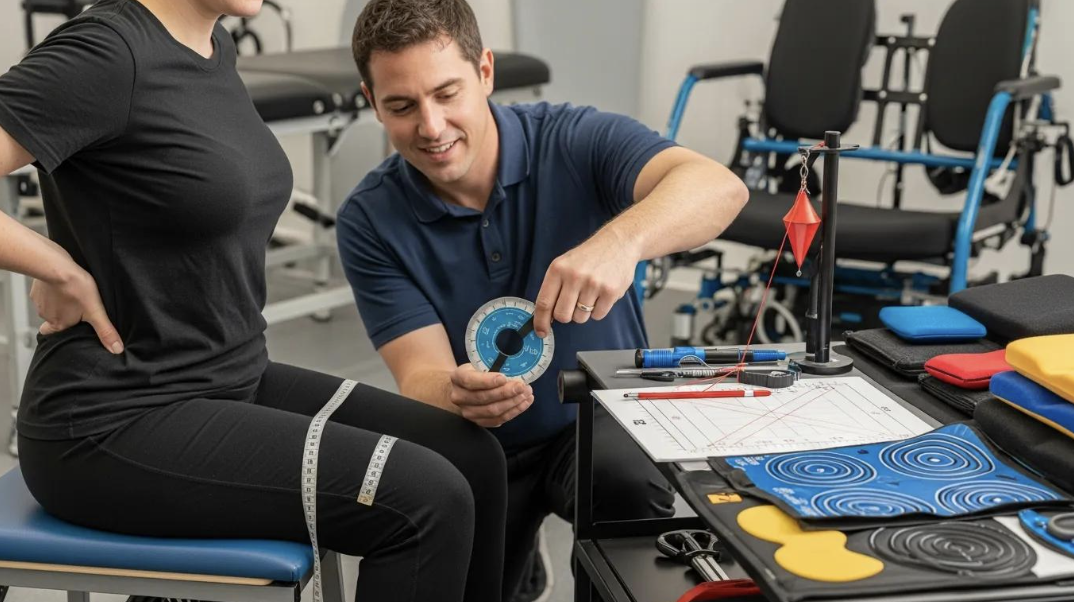
Custom fittings follow a clear sequence. First, a clinical interview gathers medical history, mobility goals, and daily routines. Next, an Assistive Technology Professional (ATP) assesses posture and body mechanics. Finally, the wheelchair is adjusted to improve comfort and mobility based on those findings.
Which Mobility Equipment Assessments Are Included?
Key assessments in a fitting include:
Understanding the user's medical needs, mobility goals, and daily preferences.
Evaluating posture, range of motion, and physical capabilities through hands-on examination.
Analyzing the user's living and working environments to ensure wheelchair compatibility.
Taken together, these assessments guide a personalized fit and a more effective mobility solution.
How Do Wheelchair Seating Solutions Enhance Comfort and Health?
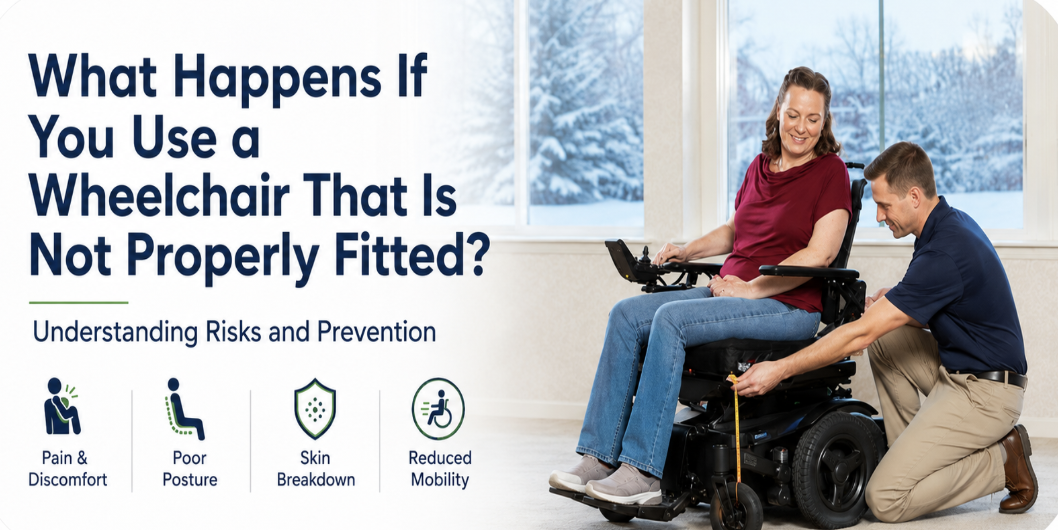
Seating solutions directly affect comfort and long-term health. Proper seating improves posture, reduces discomfort, and helps prevent secondary problems like pressure sores. Adaptive seating delivers support and pressure relief that boost overall wellbeing.
Why Is Seating Evaluation Important for Pressure Sore Prevention?
Seating evaluations identify high-risk areas and allow targeted pressure-relief strategies. Tools like power seating and pressure mapping help clinicians protect skin and maintain support.
Clinical Expertise in Wheelchair Seating & Pressure Management
Nineteen centers were identified based on research and clinical expertise in wheelchair seating and pressure management.
Prototype development and comparative evaluation of wheelchair pressure mapping system, M Ferguson-Pell, 1993
What Are the Benefits of Adaptive Seating Systems?
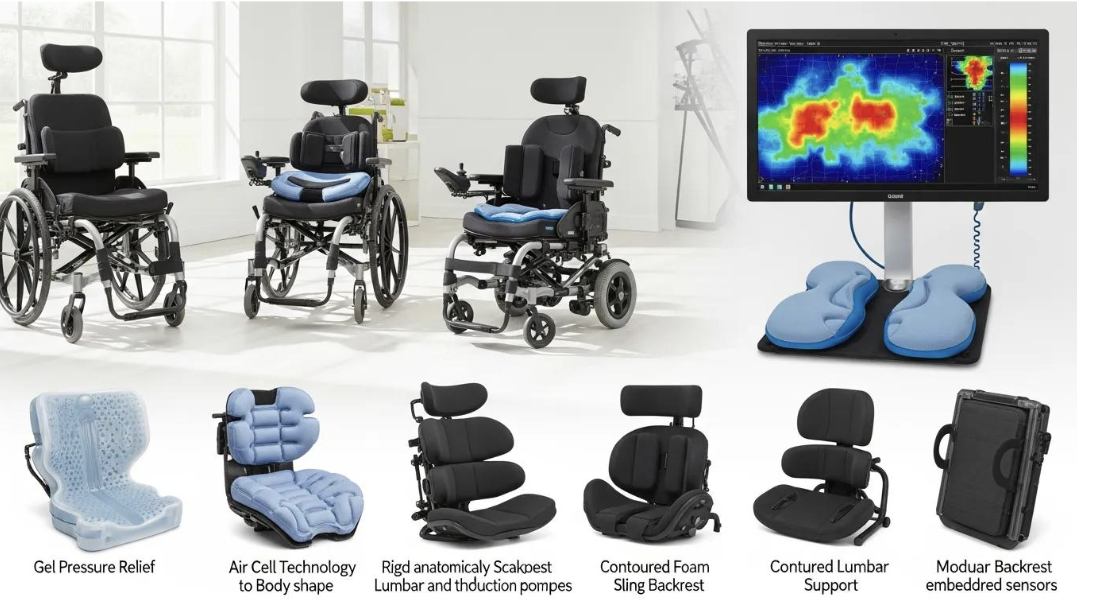
Specialized cushions and seating designs distribute weight evenly, reducing the risk of pressure sores.
Provide necessary support to maintain proper posture, which is essential for comfort and health.
Allows adjustments to accommodate changes in posture and movement, enhancing user comfort throughout the day.
Adaptive Seating Systems for Enhanced Independence and Mobility
The independence of elderly and arthritic patients as well as persons with disabilities is influenced considerably by their ability to stand from a chair. Adaptive seating systems that facilitate the rising process have enormous implications for independence.
Revolutionary advances in adaptive seating systems for the elderly and persons with disabilities that assist sit-to-stand transfers, 2003
Why Is Pressure Relief Critical in Wheelchair Fitting Services?
Pressure relief is central to a good wheelchair fit. Proper techniques lower the risk of pressure sores for people who sit for long periods. When the chair is tailored to the body, pressure-relief measures work more effectively.
How Does Proper Fitting Prevent Pressure Sores?
Proper fitting prevents pressure sores using methods such as:
| Method | Description | Impact |
|---|---|---|
| Clinical Assessment | Identifying areas at risk for pressure sores during the fitting process | High |
| Pressure Mapping | Technology to visualize pressure distribution and make necessary adjustments | High |
| Custom Cushions | Tailored cushioning that conforms to the user's body shape and weight distribution | High |
What Health Outcomes Improve with Pressure Relief Techniques?
Effective pressure relief leads to meaningful outcomes:
Properly fitted wheelchairs significantly lower the incidence of pressure sores.
Users experience enhanced mobility when comfortable and free from pain.
Users can engage more fully in daily activities without the distraction of discomfort.
How Do Custom Wheelchair Fitting Services Support Mobility and Independence?
Custom fittings support mobility and independence by personalizing assessments and accounting for environmental factors. This approach helps users get mobility solutions that match their daily needs.
What Role Does Mobility Equipment Customization Play?
Customization is key to independence. Options may include:
Adjustments to seating that accommodate individual body shapes and sizes.
Custom controls that allow users to operate their wheelchairs more effectively.
Mechanisms that enable users to adjust their seating position for comfort and accessibility.
How Do Subscription Mobility Services Complement Wheelchair Fitting?
Subscription mobility services complement fittings by offering flexible access to devices. Rental options let users adapt to changing needs without owning equipment. This flexibility benefits urban commuters and people seeking sustainable mobility options.
For more information, MES Mobility offers an overview of its mission and values. To learn more about personalized care, consider custom wheelchair fittings for better comfort and support. Also, address potential complications: pressure sores are a serious concern but can be reduced with proper measures.
Frequently Asked Questions
What qualifications should a professional have for wheelchair fitting services?
How often should wheelchair fittings be reassessed?
What types of wheelchairs are available for customization?
What is the role of technology in wheelchair fitting services?
Can wheelchair fitting services accommodate specific medical conditions?
What are the costs associated with wheelchair fitting services?
Ready for a Custom Wheelchair Fitting?
A proper fit can transform your daily life. Our RESNA ATP-certified team is ready to help you find the right solution.
Related Articles in This Series:
Clinical Sources:
- More S. (2025). Customization of manual wheelchair components: a state-of-the-art review.
- Ferguson-Pell M. (1993). Prototype development and comparative evaluation of wheelchair pressure mapping system.
- 2003. Revolutionary advances in adaptive seating systems for the elderly and persons with disabilities that assist sit-to-stand transfers.